Why “breaking silos” matters for NbS- NBRACER shows us what this looks like in practice

Why “breaking silos” matters for NbS
NbS are inherently cross-cutting. Flood management, heat mitigation, biodiversity, public health, mobility and spatial planning are often handled by different departments, funded through separate streams, and governed on different political cycles. This fragmentation can slow down or weaken implementation.
On 27 January 2026, NBRACER and the UrbanByNature Programme launched the first webinar of their joint series with a focus on a challenge many cities and regions recognise all too well: how to coordinate NbS across municipalities, departments and governance levels. Bringing together regional practitioners from Portugal, Spain and Denmark, the session moved beyond theory to explore what “breaking silos” actually looks like in practice.
A central message from the webinar was clear: effective NbS delivery depends as much on governance and coordination as on technical design. Regions must align political priorities, technical teams, data, and investment cycles if they want nature-based approaches to move from pilot projects to systemic practice.
Cavado Region, Portugal: Planning at the scale of the river basin
Representing a sub-region of six municipalities in Northern Portugal, Cavado shared how inter-municipal collaboration is structured around shared landscapes.
Key elements of their approach include:
- An inter-municipal working group on environment and climate change, bringing municipal technicians together on a regular basis
- Joint preparation of technical proposals, ensuring alignment before projects reach the political level
- Field visits and shared learning between municipalities to connect planning with on-the-ground realities
- Long-term work on river enhancement, greenways and green infrastructure connecting river beaches and landscapes
- Working at the scale of the river basin helps move beyond administrative boundaries and improves the coherence of NbS planning. However, Cavado also highlighted key barriers:
- Misalignment of political cycles and investment priorities
- Resistance from landowners along river corridors
- Ongoing difficulty in quantifying and communicating the economic value of NbS co-benefits
One important lesson: communicating concrete gains (i.e. flood reduction, public health benefits and infrastructure savings) is essential for political support.
Catalonia, Spain: Embedding biodiversity into the planning system
Catalonia presented a different but complementary perspective: integrating NbS and biodiversity directly into the regional planning framework through the Urban Agenda of Catalonia.
Here, biodiversity is not treated as an “add-on”, but as a structural element of territorial and urban planning. Examples shared include:
- Planning instruments that recognise open spaces as providers of ecosystem services such as climate regulation, connectivity and health benefits
- Coastal planning that reassesses development in vulnerable areas, preventing large amounts of new housing in non-sustainable zones
- Municipal urban plans centred on health, flood risk reduction and heat mitigation
- River renaturalisation and green-blue infrastructure projects across multiple municipalities
Catalonia’s experience shows how NbS can be scaled when:
- Ecological criteria are integrated from the start of planning processes
- Strategic regional frameworks align with municipal planning
- Governance mechanisms coordinate sectors such as urban planning, environment, climate, water and health
Still, challenges remain, especially for smaller municipalities that need technical guidance, indicators and stable funding to translate strategy into implementation.
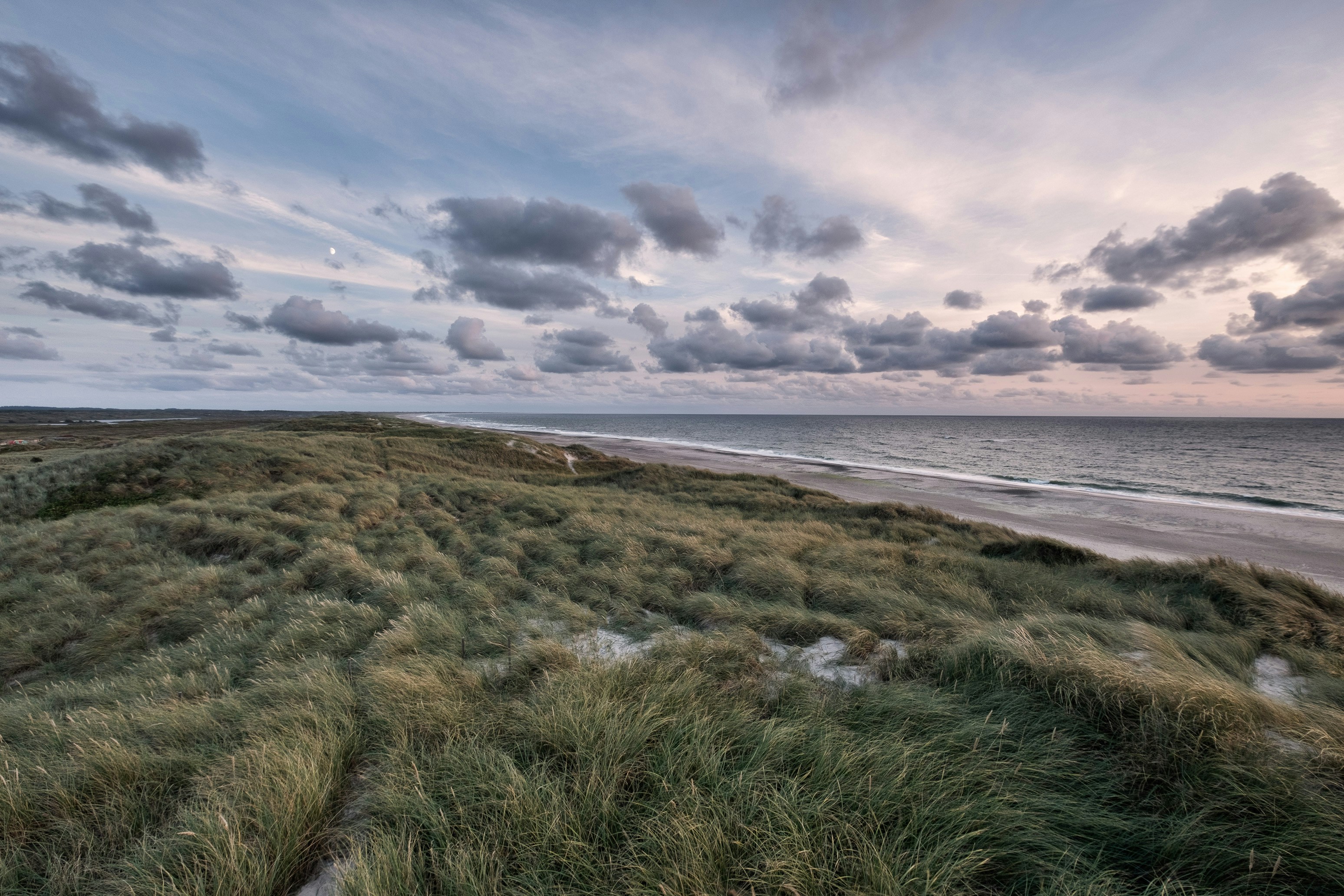
East Jutland, Denmark: Marine collaboration across municipalities
In Denmark, seven coastal municipalities formed a marine collaboration to address the degradation of coastal waters. Their model demonstrates how local governments can still exert influence through cooperation.
Key features include:
- A shared political and technical structure involving mayors, CEOs, technical managers and project groups
- Close collaboration with universities and researchers
- A broad NGO network representing fishers, tourism actors, environmental organisations and other sea users
Joint focus areas: representing regional interests, restoration projects (e.g. reefs, eelgrass), and public awareness
An important insight was the role of trust and early dialogue. Bringing stakeholders into discussions early helps make decisions politically feasible, even stakeholders with conflicting interestse. The collaboration also explored private co-financing, with companies motivated by environmental, reputational and impact considerations.
What kinds of silos need to be broken?
Across the three regions, several types of silos emerged:
- Sectoral silos between planning, environment, climate, water, health and infrastructure departments
- Political silos linked to different electoral cycles and local priorities
- Knowledge silos between scientists, technicians, businesses and citizens
- Interest-based silos between user groups (e.g. fishers, developers) and conservation actors
Breaking these silos requires:
- Shared objectives and common data
- Regular technical exchanges across municipalities
- Early stakeholder inclusion
- Clear communication of NbS benefits
- Governance structures that institutionalise cross-departmental collaboration
In short, NbS coordination is a technical exercise, yes, but it is above all a governance transformation process.
From exchange to action
This first NBRACER x UrbanByNature webinar marked the start of a series designed to support practitioners in turning NbS from isolated projects into integrated, long-term strategies. By sharing real governance experiences the series aims to strengthen the capacity of regions and municipalities across Europe to act collectively for climate resilience.
For press inquiries, contact natalia [dot] brack [at] iid-sii [dot] org or jessica [dot] bailloux [at] iid-sii [dot] org
Learn more on NBRACER.



The UrbanByNature programme is funded by the Horizon 2020 Framework Programme of the European Union under Grant Agreements No. 730222 and No. 776604. It has received funding for an update by the Horizon Europe Programme under the Grant Agreement No 101003818. The sole responsibility for the content of this website lies within UrbanByNature and in no way reflects the views of the European Union.